Hello and welcome to the latest blog from The Olivia Rose Diaries on December 15th 2023.
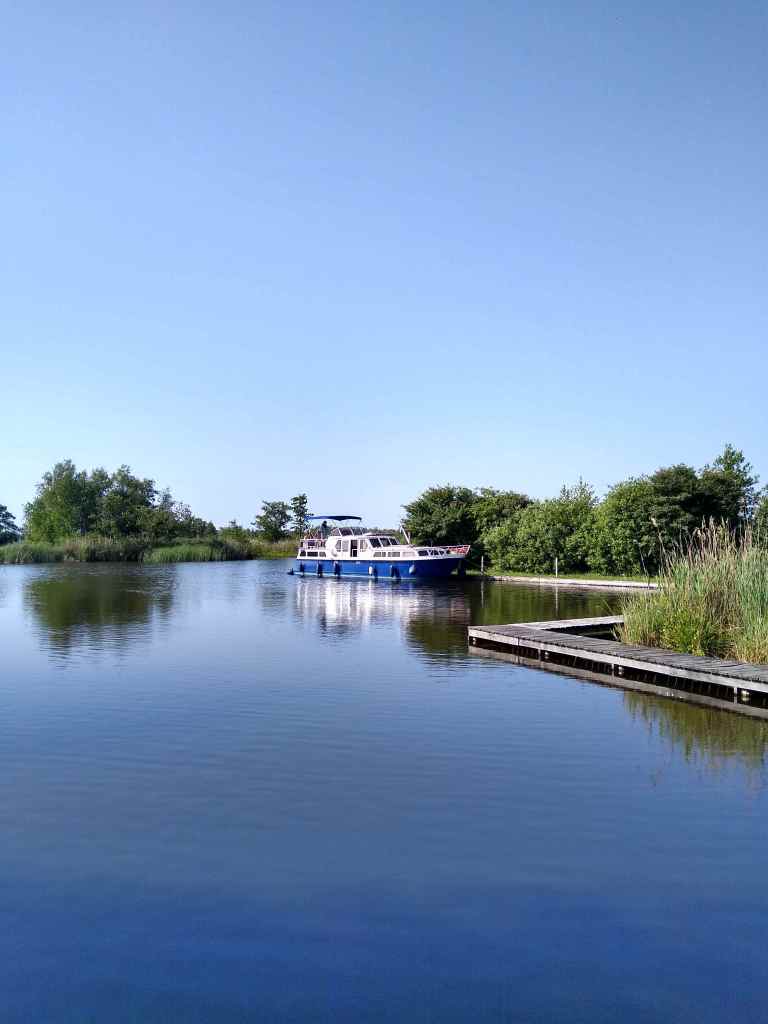
We are back home in Le Shack after our latest house-sit, and happy to be back. Going away for a while makes us appreciate what we have here, and one of the nicest things about living in only one room is that I can be wonderfully lazy, enjoying my morning cup of tea in bed in front of a roaring fire whilst Michael sits at the table, only a few feet away, eating his breakfast, perusing the news and sharing any interesting headlines with me. In a conventional house, with the kitchen downstairs and the bedroom upstairs, this admirable arrangement doesn’t work.
Sadly, this morning ritual is not what it once was. To give you an example, the headlines in the online papers recently read as follows: an Islamic extremist kills a German tourist near the Eiffel Tower, Israel pushes ever further into Gaza, and Sunak is accused of hypocrisy and double standards at the climate talks. Moving from the deeply depressing to the slightly ridiculous, there was a lightening of the mood with a BBC report that a man had been bitten by a wolf spider whilst he was having a meal out in Marseilles. His foot had blown up like a balloon overnight and when the doctor on the cruise ship on which he was travelling had treated it they found spider eggs inside his foot. A spider expert later cast doubt on whether this was at all possible, at which point I would normally have tut-tutted and assumed it was a slow news day and they needed a filler. (Although I’d love to know what a wolf spider actually looks like).
But these days there is no slow news, only bad news. It’s terrible for the poor people who are directly affected by it, but it also has a negative effect on those of us who read about it. It isn’t right to bury one’s head completely in the sand but there are days when I feel I need a break for the sake of my own sanity and so at least two days of the week I am not looking at the news, and Michael no longer shares the headlines with me over our morning tea.
Instead I use that time to do something that provides a counter-balance to this chaotic and worrying world, something that informs and inspires me, which is what I wish the news could do, but perhaps those days are lost now. It’s time to ask another question and I have one for you today in this blog.
We had our first really hard frost during the week, but as is often the case the cold weather brought blue skies and a perfect autumn day. Walking along the track in the field I raised my eyes to the heavens and wondered why the sky is blue, realising in the next breath that I had no answer to that question. It was time for some research, but be warned – the question may be simple but the answer is complicated.
Our light comes from the sun. Before it reaches Earth’s atmosphere it appears white, even though it contains all the hues and tones of the colour spectrum. Our atmosphere is made up of molecules: nitrogen, oxygen and carbon dioxide, as well as pollutants and dust at times. As that white light hits this barrier it splits, and the colours become visible, scattered in many different directions. Each colour reacts differently according to their wavelengths, which is where the science starts to get more complicated and I get lost, but keeping this explanation at a level I can understand it appears that during daylight hours the blue light is dominant, which is why we see a blue sky. At sunrise and sunset, when the sun is lower in the sky, the light has a longer distance to travel through the atmosphere, leading to orange and red colours becoming stronger.
There are actually two reasons which explain why we see a blue sky. The first relates to the ‘scattering effect’ described above, but the other reason relates the physiology of human vision. Physics tells us that sky is not the pure blue that we believe it to be, but rather a mix of violet and blue which tends towards purple. Our eyes are more sensitive to detecting blue light however and so that is what we see. Outside of humans and some primates, most animals have a different cone structure in their eyes, and they will see something different to us. We are all looking at the same thing and yet we have different realities.
I looked up at the sky above me with new eyes. Fluffy white clouds were crowding in from the west and before I knew it a new question popped into my head. Why are clouds white? Or grey or black? The answer lies in the size of the rain droplets held in the cloud. They are larger than the molecules in the atmosphere, which means that all colours are scattered equally and so the sunlight remains in its original white state. This creates the effect of a white cloud against the blue sky. When light is scattered in a cloud it moves up or out to the sides and top of the cloud and so these areas will appear the whitest.
The density of these water droplets will dictate how much sunlight gets through and so will affect the colour of the cloud. The denser the particles, the darker the clouds will appear, ranging from grey to black. This is particularly noticeable as we stand on earth, looking up at the bottom of clouds, the area which receives the least amount of light.
At this point I had to draw a line under my research. It was getting into a level of detail that my brain simply couldn’t process, reminding me of how useless I had been at chemistry and physics at school. However I had all I needed to give me a new appreciation of one of my favourite things. And now when I look at a glorious blue sky, I try to see if it has a hint of purple to it, and watching the buzzards circling above the woods, I wonder what colour their sky is. The things we take for granted are not always what they seem.
Here are a few photos I’ve picked out from the past couple of years, an appreciation of the sky and clouds for the miracles they are. I found it interesting to note that it is often the clouds that make for a more atmospheric shot.
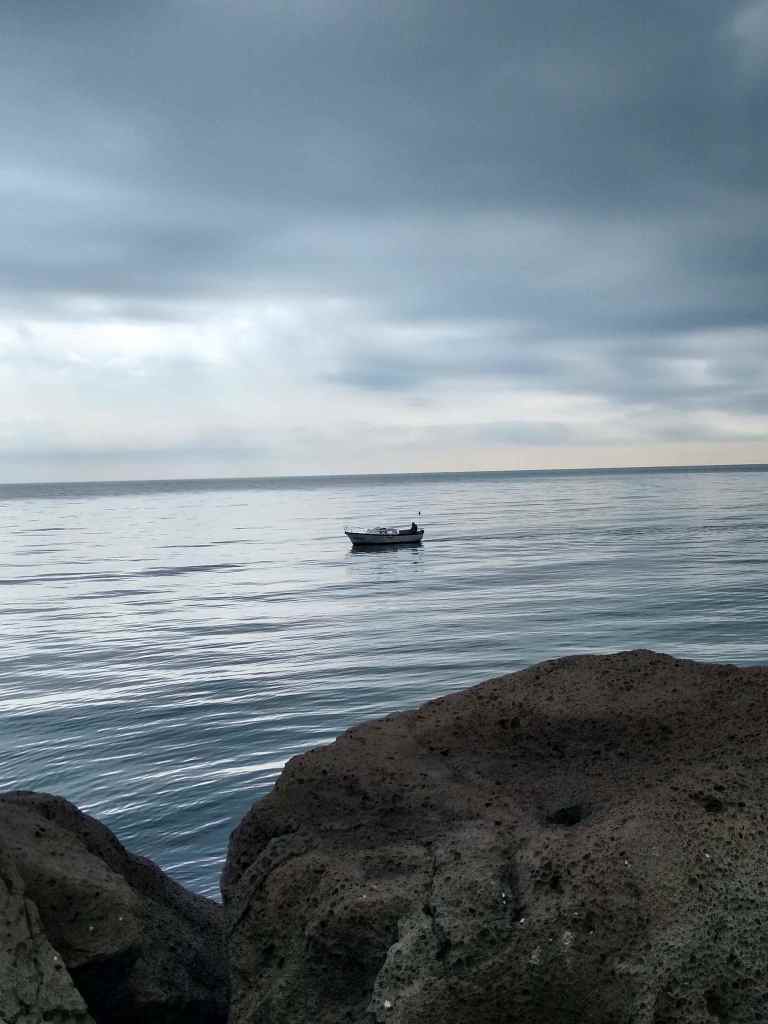
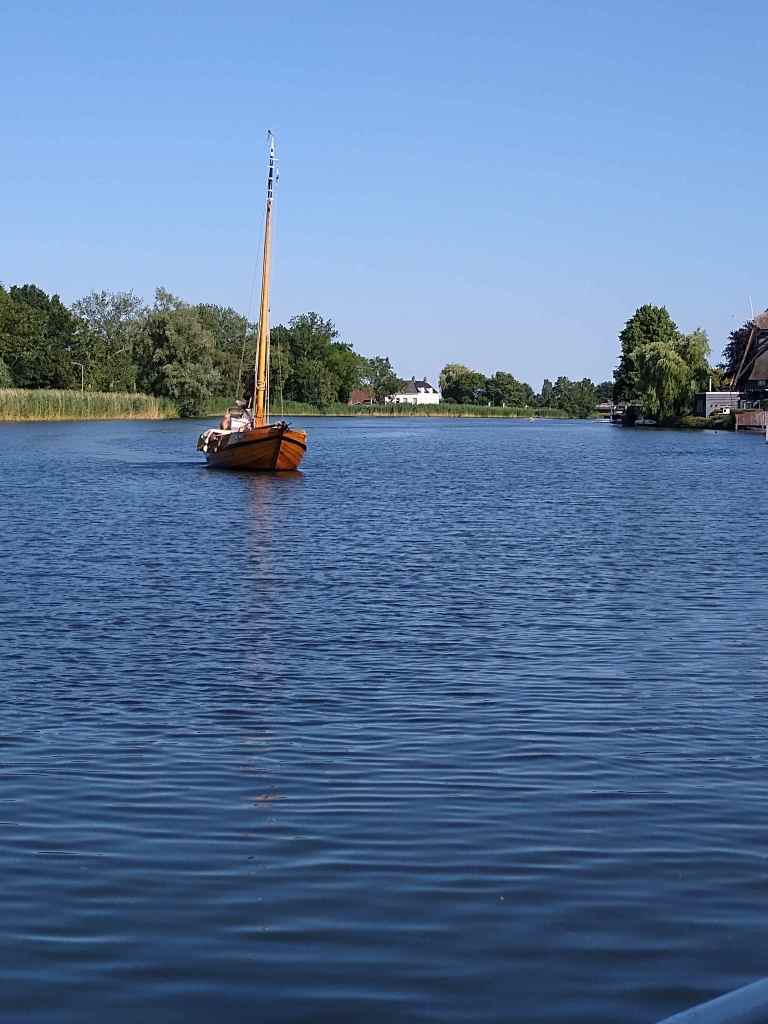
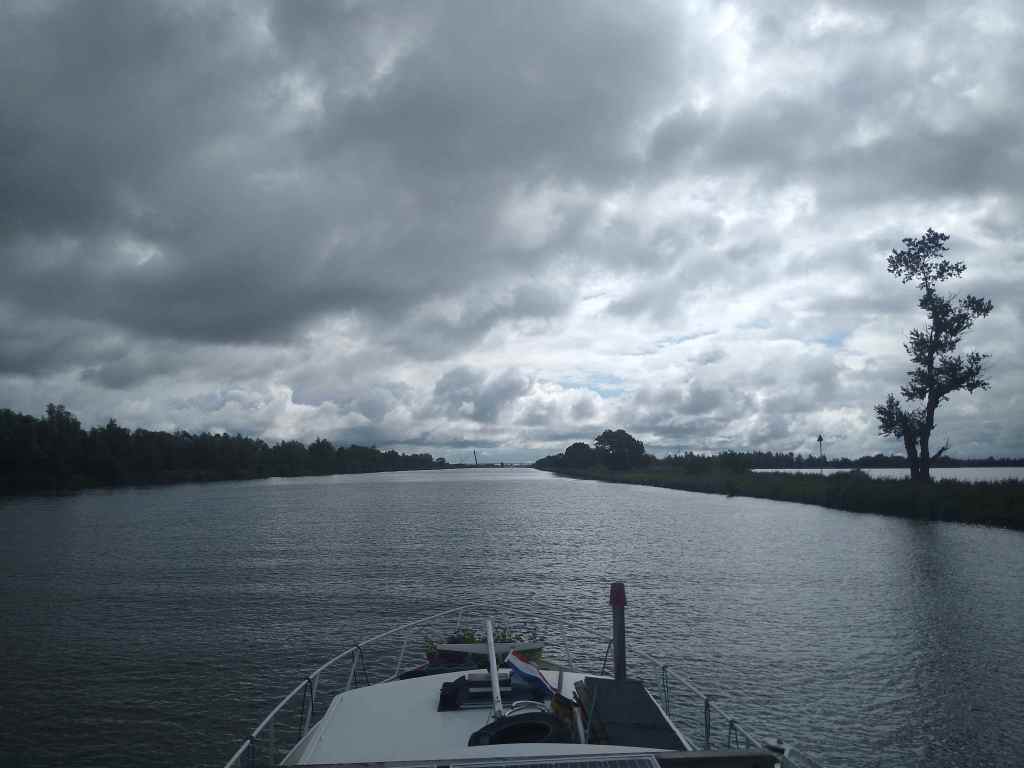


And that’s it for this week. See you soon.
MJ
 The Olivia Rose Diaries
I love clouds! Did you know there is a cloud appreciation society?!
LikeLike
Hi Tracey. I had no idea. I shall look immediately!
MJ
LikeLike
That was the perfect amount of info that I can take in too. Thank you for that. Really interesting,Fiona
LikeLike
Hi Fiona. Glad you enjoyed!
MJ
LikeLike
Be careful! Your readers might get ideas as to what you should research next for a ‘simple’ explanation to a complex issue. You might get snowed in with a question like why no two snowflakes are the same.
LikeLike
Hi Antony. Funnily enough, I am reading a book all about snow. Fascinating stuff.
MJ
LikeLike
Very interesting! Thank you…..
LikeLike
Hi Sue. Glad you liked it.
MJ
LikeLike
Thanks for the science lesson this week, MJ. 🙂 A blue sky makes me happy, the deeper the blue, the better!
LikeLike
Hi Eliza. Me too! Sometimes a blue sky is all it takes. MJ
LikeLiked by 1 person
I am changing things up as the year ends. I have enjoyed your writing and travels with dreams of “what if”. Wish you well in all you do. Kathy Bauer.
LikeLike
Hi Kathy. Thank you and wishing you an exciting and happy 2024.
MJ
LikeLike
Thank you for the admirably clear explanations. Sometimes we have improbably blue skies here. Sadly not so many of those since about mid-October, but today might be one of them. I do agree about the news. It does seem to be unrelievedly awful, but then bad news is always good news for the media. The good news stories are not so ‘newsworthy’. While sympathising with the poor souls involved in these events, it’s healthy to switch off from time to time.
LikeLike
Hi Vanessa. Yes I find it makes a difference. Freezing morning but then lovely and warm in the sun here today.
MJ
LikeLiked by 1 person
I’m in agreement with Eliza Waters. The deeper the blue of the sky the better we feel. Also, news these days is so depressing you don’t want to turn on the tv or radio. All of those poor people caught up in these damned wars is horrendous. When will it ever stop!! Well, Christmas is literally upon us now, so we wish you and Michael the Compliments of the Season and have a wonderful cosy (log fire) Christmas. Our very best wishes to you both.
LikeLike
And our best wishes to both of you. Hope 2024 brings everything you are hoping for.
MJ
LikeLike
Wonderful MJ to see your pics of blue skies and clouds. Much better idea contemplating them all rather than news!
My take is you know what’s going on there! There’s no need to give it your energy as it will suck us all dry like a vampire.
I send all those suffering, love and light and positive outcomes!
Love your stories MJ
Have a wonderful joy filled Christmas
Kind Regards
Mary
LikeLiked by 1 person
Hi Mary. And the same to you!
MJ
LikeLike